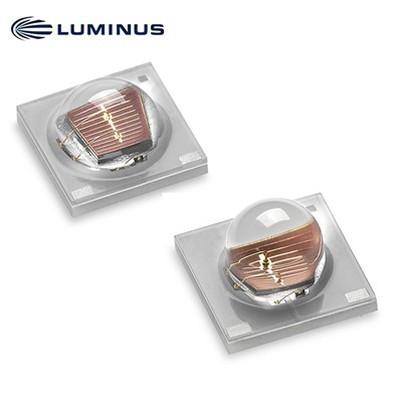
Ams OSRAM SFH 7019 Multi-chip LED Enables Heart Rate Monitoring And AGE Measurement
Leave a message
ams OSRAM's new wavelength combination solution enables simultaneous heart rate monitoring and AGE (Advanced Glycation End-products) measurement.
Heart rate, blood flow, and other physiological indicators have served as core parameters in health monitoring for decades. However, many critical changes in the human body accumulate quietly, making them difficult to capture through single, isolated measurements.
Consequently, the medical community is turning its attention to new, complementary vital signs that reflect sustained physiological load. One such method involves using skin autofluorescence technology to non-invasively detect the accumulation levels of Advanced Glycation End-products (AGEs) in tissue.
Stephan Haslbeck, Product Manager at ams OSRAM, notes:
"Traditional vital signs remain the foundation of health monitoring. However, when new metrics enable health predictions over longer periods, their potential value becomes remarkable. These metrics do more than record current data; they reveal the cumulative state of long-term physiological load, thereby helping to interpret health trends with greater precision."

01 Vital signs reflecting long-term health trends
AGEs are formed through natural metabolic processes and accumulate in body tissues over the long term. Unlike heart rate and blood flow, their concentration does not fluctuate rapidly due to physical activity, stress responses, or daily fluctuations in an individual's state; instead, it changes gradually over time, providing a continuous reflection of physiological load.
AGE levels do not reflect an individual's immediate state but rather record the history of metabolic and physiological load accumulated by the body over time. Acting as a carrier of the body's long-term biological memory, continuous monitoring can reveal the physiological burden that builds up year after year.
Medical research confirms that elevated AGE levels are closely linked to metabolic disorders and vascular stress, commonly associated with pathological conditions such as diabetes, renal function decline, and cardiovascular disease.
Non-invasive monitoring is made possible by the unique optical properties of specific AGEs: these substances accumulate over time in collagen-rich skin tissue and emit a quantifiable fluorescence signal when excited by specific light beams. This effect can be detected directly via the skin surface without the need for blood sampling or invasive procedures, enabling the visual tracking of long-term biological processes.
02 Integrating the Novel Measurement Scheme into a Compact System
To realize the value of supplementary vital signs-such as AGEs-in practical applications, they must be integrated into compact, safe, and reliable systems. Advanced optical sensing technology makes this possible by allowing a single system to precisely distinguish between different optical signals.
The SFH 7019 multi-chip LED from ams OSRAM is a prime example of such a solution.

Figure: ams OSRAM SFH 7019 multi-chip LED
This compact component (measuring 1.65 × 2.15 × 0.6 mm, or 0.065 × 0.084 × 0.0232 in) integrates the three wavelengths required for vital sign monitoring:
- UV-A light (typical wavelength ~383 nm) to excite tissue autofluorescence;
- Green light (~530 nm) for traditional vital sign monitoring (such as heart rate) and reflection calibration;
- An infrared light source (~980 nm) for photoplethysmography (PPG) measurements.
These three chips can be controlled independently, enabling distinct measurement schemes to be executed at different times.
Complementing the light source is a photodiode designed specifically for the simultaneous detection of autofluorescence and PPG signals. Its integrated filter effectively blocks UV excitation light while ensuring the detection of visible and infrared light. This solution enables multiple optical measurements within a single system, minimizing signal crosstalk and ensuring high measurement accuracy.

Figure: The matching SFH 2705U photodiode
03 Focusing on Prevention and Health Trajectory Management
The core advantage of this system lies in its ability to enhance traditional vital sign monitoring through multidimensional data. While short-term measurements still provide a necessary overview of immediate physiological status, long-term indicators support evidence-based analysis of dynamic health trends. This technical solution opens up new possibilities for wearable devices, home care, and point-of-care medical applications, making it particularly suitable for preventive healthcare scenarios that require a comprehensive understanding of long-term health trends.
About Gainer LED:
Gainer LED was established in 2012. The company focuses on providing advanced technology solutions for medium and high power general lighting, special lighting and high-end display fields. Its products are widely used in commercial lighting, industrial lighting, smart buildings and professional display screens. Relying on a global marketing network and professional technical service system, Gainer LED continues to provide global customers with high-performance lighting products that meet international standards and fully meet the diverse needs of the market.
For more customer service needs, please contact us:
- Phone: +8615818679054
- Tel : +86-755-27835429
- Email: info@gainer-led.com